Seborrheic Keratoses Dermatology

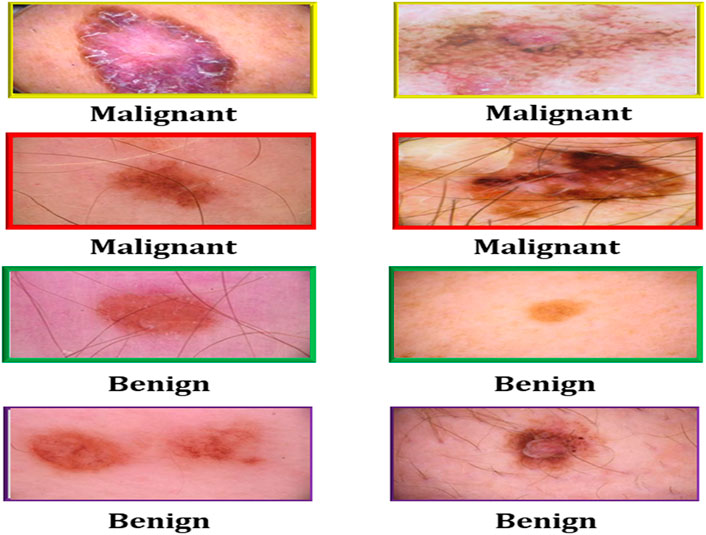
Seborrheic Keratosis For Columbia, Md Dermatology & Innovative Skin Care Board Certified Dermatologists Your skin specialist will analyze the growth and might do a biopsy, which involves removing all or a few of the development and sending it to a lab for examination. While seborrheic keratosis growths don't generally require any treatment, you can opt to have them removed if you're troubled by them. A seborrheic keratosis can vary in dimension, as well, from little to larger than 3 centimeters. There are times, though, when these lesions ought to be taken a look at by a dermatologist. Sometimes a SK grows rapidly, turns black, itches, or bleeds, making it difficult to differentiate from skin cancer cells. Such a development has to be biopsied (gotten rid of and researched under a microscopic lense) to determine if it is cancerous or not.
I Have Cancer Malignancy! Why Do I Require A Sentinel Lymph Node Biopsy?
Most notably, talk to a medical professional about any type of skin lesion that changes, bleeds, proliferates, or issues you. Early analysis secures your wellness and gives you clarity. Even though seborrheic keratosis itself is not cancer cells, normal skin tracking helps detect various other potentially significant problems early. While these preventive measures might help reduce the threat of seborrheic keratosis, it is necessary to note that the problem is mostly affected by genetic factors and aging. The duration of the removal procedure depends upon different factors such as the number and size of the growths. Lichen Planus (pronounced LY -kin-PLAN-us) is an instead typical illness that impacts the skin, the mouth, or both. It affects regarding one percent of the general populace. Genital protuberances, additionally called venereal warts, or condylomata acuminata, are caused by the human papilloma virus (HPV). Low danger kinds (HPV 1, 2, and 3) cause protuberances on the hands, feet, and various other components of the body. Moles usually show up throughout childhood years and teenage years. Seborrheic keratoses primarily influence individuals older than 30. Some females see that they develop them during pregnancy or after taking estrogen. They are significantly typical in the later years of life. Although the root cause of seborrheic keratosis is vague, the growths often tend to run in family members, suggesting genetics play a role. Sun direct exposure also might affect where the growths create. Seborrheic keratosis is a very typical, noncancerous skin development that typically shows up with age. It might look concerning, however in most cases it does not become cancer. While seborrheic keratosis is normally safe, some skin cancers cells can be deadly if disregarded. It is constantly appropriate to look for clinical advice regarding anything that can be serious. Seborrheic keratosis itself is benign and does not commonly turn into cancer cells.- The precise root cause of seborrheic keratosis, a benign skin sore, continues to be unidentified.
- Do not attempt to remove a seborrheic keratosis yourself.
- Seborrheic keratoses primarily affect people older than 30.
- The yeast typically stay in the pores of the skin and flourish in oily areas such as the neck, top chest, and back.
- A biopsy is the only method to definitively rule out cancer if the medical diagnosis is vague.
Your Finest Protection Vs One More Cancer Malignancy
What takes place if seborrheic keratosis is left unattended?
Seborrheic keratoses are harmless and not transmittable. They don't need therapy, but you might make a decision to have them eliminated if they come to be inflamed by garments or you don't like exactly how they look.